Upper Mustang Tiji Festival Jeep Tour: An Alternative to Trekking
Tiji Festival Jeep Ride Tour 2027: The package is an alternative to Tiji Festival trekking to attend a fascinating annual three-day festival consisting of Tibetan rituals that celebrate the myth of a son who had to save the Mustang kingdom from destruction. The Tiji festival dates are June 1st to 3rd in 2027.
The Tiji festival, which locals call the Tenchi Festival, is a monk dance festival celebrated every year in Upper Mustang, Lomanthang. According to Tempa Chhirim, Tenji, commonly pronounced Teeji or Tiji, means “ Prayer for World Peace.” Upper Mustang is a place highly influenced by Tibetan Buddhism and the only untouched, preserved safe zone for Tibetan Buddhism. According to His Highness Dalai Lama, “Authentic Tibetan culture survives only in exile in a few places like Mustang, which has had long historical and cultural ties with Tibet.” The main priest of the Tiji Festival is one of the Top 10 Buddhist priests in the World.
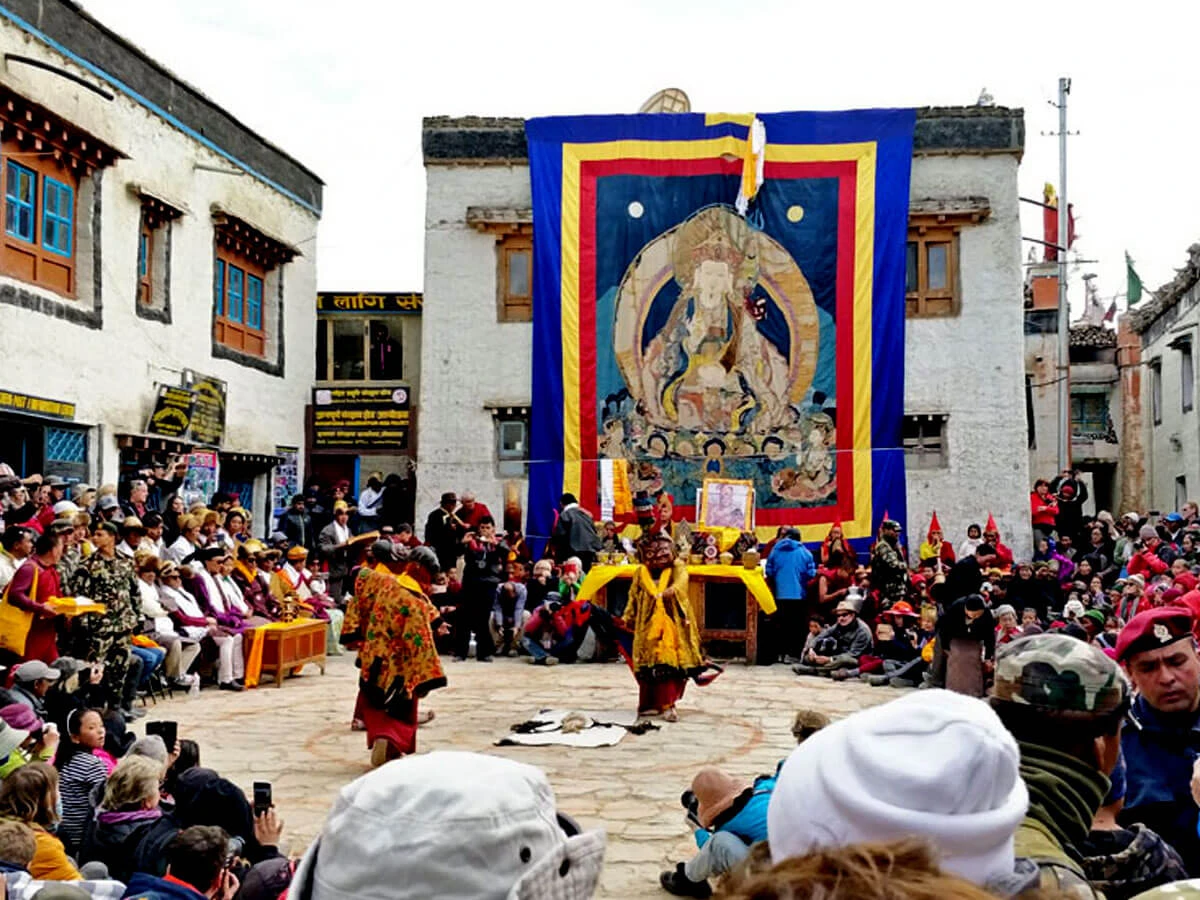
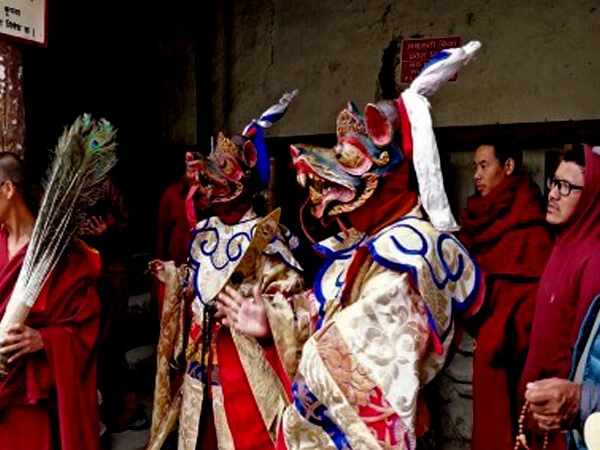
The festival is only celebrated in the indigenous Lomanthang, Upper Mustang. Over the Mustang during the Tiji festival, monks dressed in elaborate costumes and masks perform dances and rituals that are supposed to drive away evil spirits. The Tiji festival dances are all organized by the Choedhe Monastery and led by the monks, who belong to the Sakya sect of Buddhism. The monastery is headed by a Rinpoche, one of the Top 10 Buddhist priests in the World. About 65 monks from Lomanthang, Nhenyul, and Chhosyer reside in this monastery. They practice religious and traditional dances for months just to perform at the Tiji Festival.
The Tiji Festival begins with the opening of the 400-year-old banner of the respective Lord who conquered the demons and brought peace. The Tiji Festival is held in the town’s main square. On the first day, monks integrate the dances and complex ceremonies to lead the world towards peace, evoke God, and purify the ground for the further days of the Tiji Festival. The second day is lit as different dances are performed with drums, masks, attitudes, swords, and the raging of demons. The king of Lo comes to the town’s main square and settles on the throne for the ongoing Tiji Festival. The third day is all about winning over demons and destruction and welcoming peace.
What You Will Experience During the Tiji Festival Jeep Tour
Kali Gandaki Gorge, the Deepest Gorge in the World
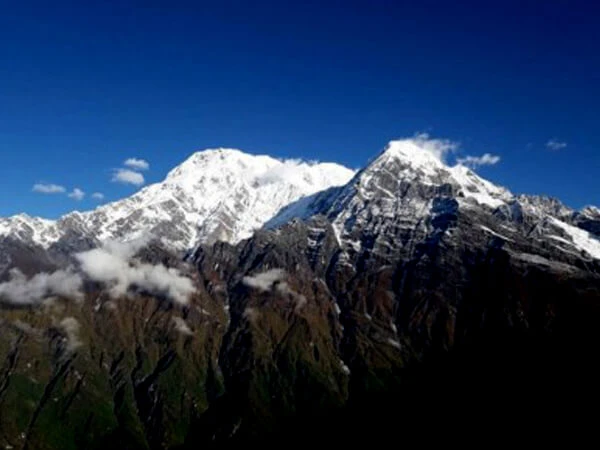
You ride through the narrow valley between Mt Dhaulagiri, the 7th highest mountain in the world, and Mt Annapurna I, the 10th highest mountain in the world. On your left, you see Dhaulagiri rise to 8,167m / 26,795ft. On your right, Annapurna I stands at 8,091m / 26,545ft. When you measure the canyon from the river to the tops of the surrounding peaks, you are traveling through the deepest gorge in the world. You experience this amazing feeling as you pass through, standing between two 8,000-meter giants with the road carrying you straight through the gorge.
During the 19th century, it was termed Kora La (La means pass), which was widely used as a Tibet-India Trade Route. You also enter the Annapurna Conservation Area here, part of the Annapurna Circuit, one of the most famous trekking routes in the world. The Kali Gandaki River begins near the Tibetan border, at the point where the Ganges-Brahmaputra watersheds divide. It flows through a deep canyon south of Lomanthang and widens as it approaches Kagbeni. Then, you continue south past Jomsom, Marpha, and Tukuche, reaching the deepest section of the gorge about 7km south of Tukuche peak, near Lete. From there, you follow the river further through Dana and Tatopani toward Beni. You can also find the valuable Saligram fossils on the bank of the Kali Gandaki, which is regarded as Lord Vishnu in Hindu mythology. On this jeep tour, you get to witness the deepest gorge in the world firsthand, not from a viewpoint, but from the road that runs straight through it.
Dumba Lake at (2900 m/9515 ft)
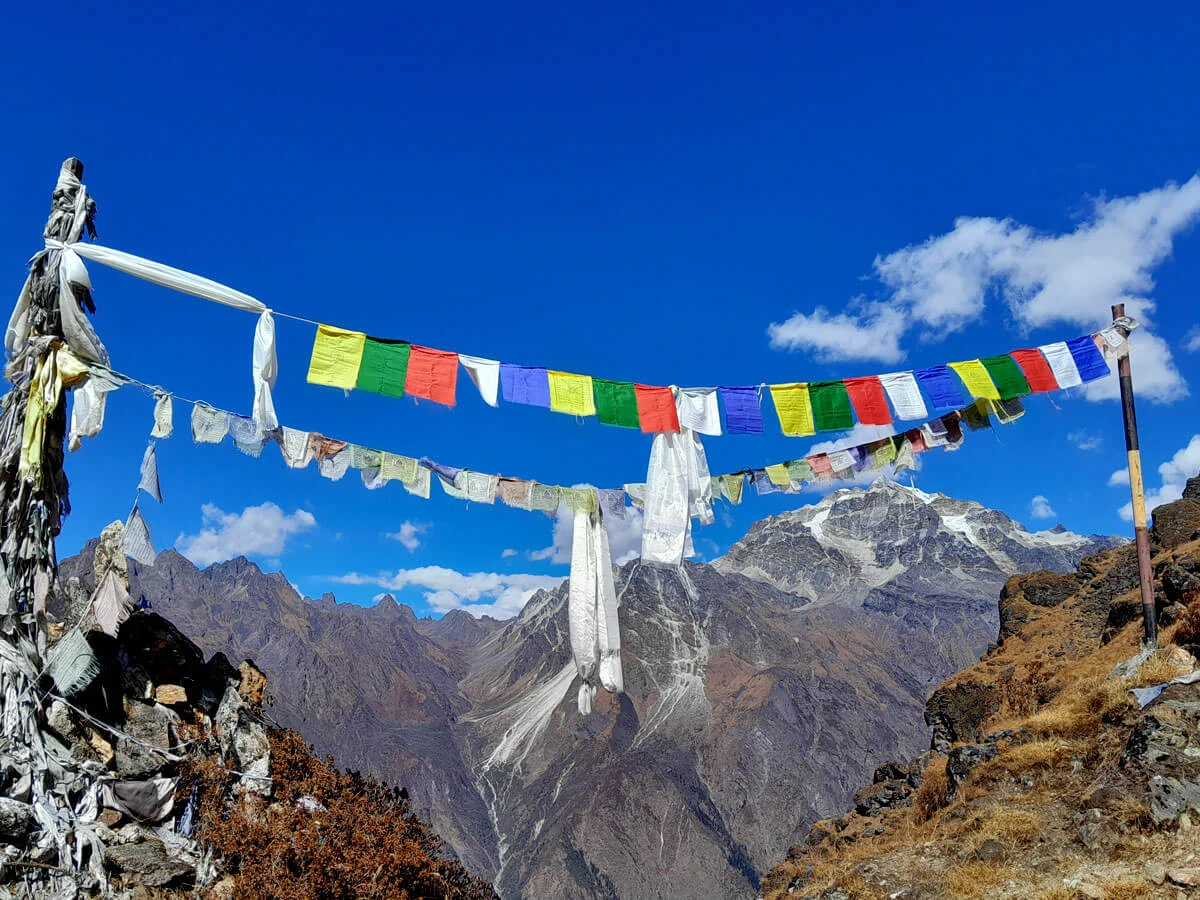
The jeep stops here for a short break, and you get to see the amazing view of Dumba Lake. It reflects the purity and beauty of nature and its surroundings through its crystal-clear and pristine water. The lake is fenced with prayer flags, and the water of the lake is used by the local stupa as a religious offering. Some myths are related to Dumba Lake, which makes it religiously valuable along with its natural attractiveness. It is believed that the lake turned red and, after religious ceremonies by Tibetan Buddhists, it returned to be as greenish and clear as it was. You will not see locals fishing at Dumba Lake, since they come here to pray instead. As a traveler, you get to enjoy the tranquility of this place, along with a view of the mountains and Jomsom Bazaar below. This short stop gives you a moment to slow down, right in the middle of one of the most scenic drives of the trip.
Explore Apple Garden at Marpha, Thakali Village
You walk into the village that made Mustang famous for apples and apricots across Nepal. Though Mustang widely grows apples and apricots and produces products like juice, wine, and dried fruit, Marpha is solely famous for its Apple and Apricot garden along with its typical Thakali culture. You feel the mix of culture and nature that gives Marpha its name, with whitewashed stone houses sitting among apple trees. Marpha is the residence of the Thakali, one of the indigenous communities of Nepal, and you see their ancient traditions still alive here, yet has managed to introduce the apple business for the village. On the Tiji Festival Jeep Ride Tour, you get the chance to explore the most famous Apple Garden of Nepal on the way to Upper Mustang/Lomanthang. As you enter the Mustang district, you can observe the apple garden on the roadside till you reach Kagbeni.
Muktinath Temple at (3800 m/12,468 ft)
When you pick the Tiji Festival Jeep Ride Tour, you get a full visit to Muktinath Temple situated at an elevation of 3800m/ 12,468 ft. This jeep tour gives you the time to explore the temple in full without rushing.
Muktinath Temple is a Lord Vishnu temple sacred to both Hindus and Buddhists. Muktinath means a place of liberation. Muktinath Temple is situated in the lap of the Himalayas, and it offers you a heart-pleasing view of mountains, hills, and settlements. You find 108 holy water streams here, along with two holy ponds, and pilgrims believe bathing in them brings blessings, purity, and a way to salvation. You find the temple's surroundings decorated with streams and trees, creating one of the most peaceful spots you will experience on this trip, where nature and religious belief sit side by side.
Off-road Adventure Trip
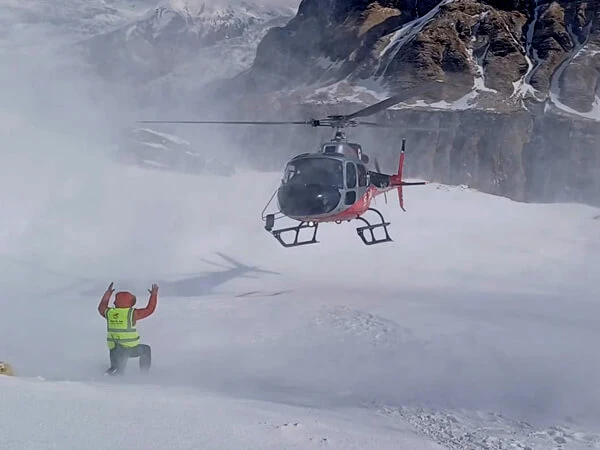
The Tiji Festival Jeep Ride Tour 2027 gives you a real off-road adventure, not just a scenic drive. The entire road is not bumpy and off-road, but for a few days, you have to ride through thrilling off-road terrain. You feel the jeep move over unsurfaced tracks made of sand, gravel, riverbeds, mud, and rock. The road crosses streams and rivers without bridges as well, and the highway goes through the Kali Gandaki riverbank, which makes it more thrilling and adventurous. However, there is no risk in this off-road ride, and an everyday number of vehicles travel. Your off-road adventure begins at Beni and lasts up to Jomsom, one of the most exciting parts of the entire trip.
Why Choose the Jeep Ride Tour Over Trekking to Tiji Festival
You Reach Lomanthang Faster, With Less Physical Effort
Taking a jeep to the Tiji Festival is the best choice for you because it helps you to reach Lomanthang easily without needing physical strength. You can travel by road in a few days instead of walking for over a week. This gives you more time to enjoy the festival in Lomanthang and less time on the road. If you have a busy schedule, this route works best for you. The time you save on the road lets you explore the Mustang region more. You can visit its villages, monasteries, and landscapes instead of walking to one spot.
You Get to Visit Muktinath Temple
A jeep tour is the best way to visit Muktinath Temple. Most trekkers skip this site because it sits at 3,800 meters, well off the main path. Walking there requires extra days that many travelers simply lack. With our jeep tour, you see Muktinath on Day 8 as you travel from Lomanthang to Jomsom. You get to walk past the 108 water spouts and explore the temple grounds without needing to change your schedule.
You Ride Through the Gorge Instead of Walking Around It
You experience the terrain differently on this route. Instead of walking through Mustang village to village, you ride along the Kali Gandaki riverbank. You will travel through the world's deepest gorge and cross rivers without bridges. While trekkers stay on high trails, the jeep route keeps you on the valley floor. You pass directly beneath the massive peaks of Dhaulagiri and Annapurna I, rather than viewing them from a distance.
You Need Less Physical Preparation
You need less physical preparation for this trip. The trekking route requires intense fitness and days of walking above 3,000 meters. A jeep tour lets you rest your legs while covering the same ground. This makes the festival accessible for travelers over 50, families with teenagers, or anyone who prefers to skip months of training.
Note:
Our guides run both the trekking and jeep versions to Lomanthang. They know these routes from first-hand experience, not just from sales brochures. If walking through Upper Mustang village by village is part of what you want from this trip, our Upper Mustang Tiji Festival Trek covers that full route over 18 days. Both options bring you to the same festival, in the same town, on the same dates. The choice depends on how much time you have and how you prefer to travel.
If you're unsure which route fits your fitness level or your travel dates, ask us directly, and we will give you an honest recommendation based on your needs, not our sales goals.
Why You Should Not Miss the Tiji Festival
The Tiji Festival: A Rare Chance to Experience Living History
You only get one chance a year to see the Tiji Festival. It happens for three days, June 1st to 3rd in 2027, and only in the remote town of Lomanthang. If you miss these dates, you must wait a full year for the next celebration.
You See a Tradition That Has Never Changed
This is not a show staged for tourists. You witness rituals that have remained the same for centuries. The monks open a 400-year-old banner on the first day, just as they have for generations. Because Upper Mustang stayed closed to the world until 1992, these traditions remained private for most of their history. You see the authentic spirit of the region.
You See Monks Who Trained for Months Perform in Person
You are not watching a casual reenactment. About 65 monks from Lomanthang, Nhenyul, and Chhosyer live at Choedhe Monastery, and they spend months rehearsing before the festival. The dances are led by monks of the Sakya sect, under Rinpoche, one of the world’s top Buddhist priests. Few festivals in Nepal put you this close to monks performing at such a high level.
You Watch the Story of Dorje Jono Unfold Over Three Days
The festival tells a powerful three-day story. Day one purifies the ground with protective rituals. Day two brings out the masks, swords, drums, and demon figures, and the King of Lo joins the crowd. The final day ends the story with Dorje Jono defeating the demon to restore peace in Mustang. You must stay for all three days to understand the full meaning of this ancient tale.
You Experience a Place Few Travelers Ever Reach
You reach a region that stayed closed to the outside world until three decades ago. Fewer travelers make it to Lomanthang than to almost anywhere else in Nepal, simply because of the permit, the distance, and the short festival window. Timing your trip for the Tiji Festival gives you the perfect reason to visit a destination that most travelers will never see.
For the complete story behind the festival, including its origins and what each day's rituals represent, read our full Upper Mustang Tiji Festival travel guide
Lomanthang Tiji Festival Jeep Tour Highlights
- World’s Top 10 monk leads the Tiji Festival
- Classic and Authentic exposure to century-old ceremonies and rituals
- Panoramic view of the world’s 7th highest mountain, Dhaulagiri and Gangapurna, Tukuche, Manaslu, Thorang
- Kali Gandaki Gorge, the world’s deepest gorge
- Muktinath Temple- high value for Buddhists and Hindus
- Traditional Palaces, Monasteries, and caves formed on high cliffs
- Ghar Gumba- the oldest monasteries
- Hills with vibrant shades of pink, brown, grey, and glaciers
- Desert landscape with spires and cliffs, as well as dense green hills and woods
- Kagbeni - Holy Kaligandaki River Valley
Why Choose Us for the Upper Mustang Tiji Festival Jeep Tour
- 14+ years organizing treks and jeep tours across Nepal, including Upper Mustang
- Licensed and registered with the Nepal Tourism Board (NTB)
- Member of TAAN (Trekking Agencies' Association of Nepal)
- Direct local partners in Marpha, Jomsom, Kagbeni, and the wider Mustang region
- Direct experience arranging fixed departures around the Tiji Festival, timed to the confirmed 2027 dates of June 1st to 3rd
- Full permit processing for the Restricted Area Permit and ACAP, all handled through registered government channels
- Private 4WD jeeps and experienced drivers who know the Beni to Jomsom off-road stretch well
- Professional, multilingual guides with real experience leading groups through Upper Mustang and the Tiji Festival itself
- Itineraries built around your pace, whether that means a private departure, extra rest days in Pokhara, a Kathmandu to Pokhara or Pokhara to Jomsom flight to cut down road time, or the option to add the full trekking route for a slower version of the trip
- Small, personal group sizes from 2 to 18 people, so the trip stays attentive rather than crowded
- Transparent, all-inclusive pricing, with no hidden costs once you book
- 24/7 support throughout your trip, before, during, and after
- Reviews on [TripAdvisor/Google]
- Honest, upfront communication if road conditions or weather affect the Mustang Jeep route, so you always know where your trip stands